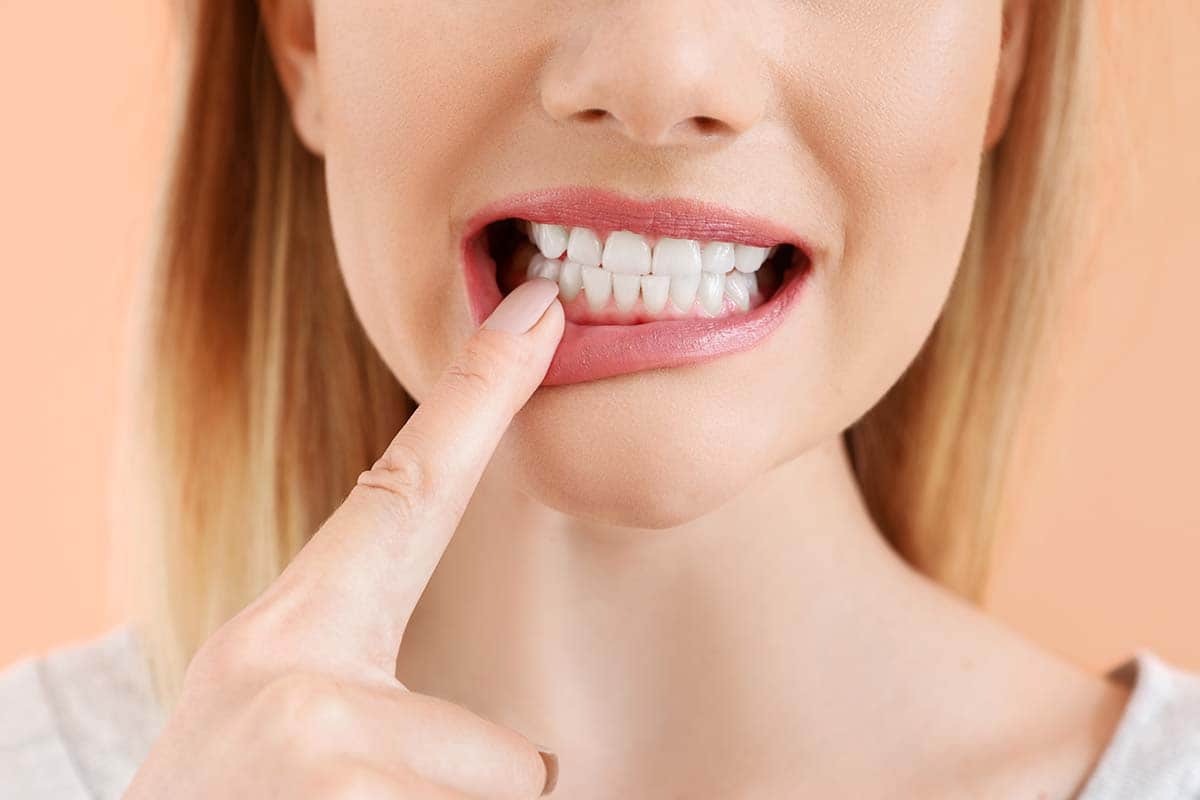
Why Do Teeth Become Loose? Causes, Treatment, and Can They Be Saved?
Have you ever noticed that one of your teeth feels slightly loose when you bite into food or touch it with your tongue? You might assume it will become firm again on its own, especially if there is no pain.
However, a loose adult tooth is something you should never ignore.
Unlike children's baby teeth, permanent teeth are meant to remain firmly supported throughout adulthood. If an adult tooth begins to move, it may indicate a problem with the gums, the bone supporting the tooth, or the tooth itself.
Sometimes, a loose tooth can be stabilised and preserved with appropriate treatment. In other cases, the damage may be too extensive, and removal may be necessary. The outcome depends on the underlying cause, the amount of supporting tissue remaining, and how early the problem is addressed.
Understanding why teeth become loose can help you recognise the warning signs and seek treatment before the problem becomes more complicated.
For people looking for reliable dental guidance in Jaipur, Manglam Dental Hospital is a place to discuss concerns about tooth mobility and understand the available treatment options.
What Does It Mean When an Adult Tooth Becomes Loose?
Your teeth are held in place by more than just the visible gum tissue.
Each tooth is supported by a combination of structures, including the jawbone, the periodontal ligament, and the surrounding gums. The periodontal ligament is a group of tiny connective tissue fibres that help attach the tooth root to the surrounding bone. These structures work together to keep your teeth stable while allowing them to withstand the forces of chewing.
When the supporting tissues become damaged, a tooth may begin to move more than usual. This is known as tooth mobility.
A very small amount of natural movement can occur because of the periodontal ligament. However, noticeable or increasing movement in an adult tooth should be evaluated by a dentist.
A loose tooth does not always mean the tooth must be removed. The first step is to identify what is causing the movement and whether the supporting structures can recover or be treated.
Why Do Adult Teeth Become Loose?
Several conditions can cause permanent teeth to become loose. Some develop gradually, while others occur suddenly following an injury.
1. Gum Disease
Gum disease is one of the important causes of loose teeth in adults.
It often begins when plaque, a sticky layer of bacteria, accumulates around the teeth and gumline. If plaque is not removed effectively, it can harden into tartar and contribute to gum inflammation.
The early stage is called gingivitis. At this stage, the gums may become red, swollen, or bleed during brushing. If gum disease progresses, it can develop into periodontitis, which damages the tissues and bone supporting the teeth. As the supporting bone is lost, teeth may gradually become loose.
Other warning signs may include:
- Bleeding gums
- Persistent bad breath
- Gums that appear to have receded
- Teeth that look longer than before
- Changes in the way your teeth fit together
- Increasing movement in one or more teeth
Gum disease can progress without significant pain, which is why regular dental examinations are important. Treatment may help control the disease and preserve affected teeth, depending on how much damage has occurred.
2. Injury or Accidental Impact
A fall, sports injury, road accident, or direct blow to the mouth can damage the tissues supporting a tooth. After an injury, a tooth may become loose, shift out of position, crack, or develop pain when you bite down.
Even if the tooth appears intact, the supporting ligament or surrounding bone may have been injured.
A newly loose adult tooth following an accident requires urgent dental assessment. Prompt treatment may improve the chance of preserving the tooth.
Avoid repeatedly touching or moving the tooth with your fingers or tongue. If there is bleeding, apply gentle pressure to the surrounding soft tissue with clean gauze when appropriate, and seek urgent dental care.
If a permanent tooth has been completely knocked out, it is a dental emergency. Handle it by the crown rather than the root, and seek immediate professional guidance. Do not attempt to reinsert a baby tooth.
3. Advanced Bone Loss
The jawbone provides the foundation that holds your teeth in place. When bone supporting a tooth is lost, the tooth may become less stable. Periodontitis is a common cause of this type of bone loss, although certain injuries and other conditions can also affect the supporting structures.
Bone loss may develop gradually, and a person may not notice a problem until the teeth begin to move. A dentist can assess the gums, measure the spaces around the teeth, and recommend dental X-rays when needed to evaluate the supporting bone.
The treatment depends on the extent and cause of the damage. In some cases, controlling gum disease and maintaining the remaining support can help preserve the teeth.
4. Teeth Grinding and Clenching
Do you wake up with jaw soreness or notice that your teeth feel uncomfortable after periods of stress? You may be clenching or grinding your teeth, a habit known as bruxism.
Repeated excessive forces can wear down teeth, damage restorations, and aggravate problems affecting the supporting structures. In some circumstances, this may contribute to increased tooth mobility. Other signs of grinding can include:
- Flattened or worn tooth surfaces
- Jaw muscle discomfort
- Headaches, particularly on waking
- Cracked teeth or damaged fillings
- Sensitivity when chewing
A dentist can check for signs of grinding and determine whether protective measures, such as a custom-made night guard, are appropriate. A night guard may help protect teeth from excessive forces, but any underlying gum disease or other cause of mobility must also be addressed.
5. Changes in the Bite
Your upper and lower teeth are designed to work together during chewing. If your bite changes or certain teeth experience excessive pressure, some teeth may become uncomfortable or more mobile. This can occur with grinding, changes in tooth position, missing teeth, or other dental problems.
However, not every bite irregularity causes loose teeth, and tooth mobility should not automatically be attributed to the way your teeth meet. A dental examination can help determine whether excessive biting forces are contributing to the problem and whether any adjustment or other treatment is appropriate.
6. Dental Infection
An infection around a tooth or its root can sometimes affect the surrounding tissues. For example, an infection arising from an injured or severely decayed tooth may cause pain, swelling, tenderness, or discomfort when biting. In some cases, the tooth may feel loose. An infected tooth may also be associated with a gum swelling or a discharge of pus.
These symptoms require prompt assessment. A dental infection should not be managed solely with home remedies, and antibiotics alone do not resolve every underlying dental problem.
Depending on the diagnosis, treatment may involve root canal treatment, drainage, periodontal care, or extraction when the tooth cannot be preserved.
7. Other Health and Lifestyle Factors
Some medical conditions and lifestyle factors can affect gum health, healing, or the risk of tooth-supporting tissue damage. For example, poorly controlled diabetes is associated with an increased risk of periodontal disease. Smoking and other tobacco use can also increase the risk of gum disease and interfere with healing.
Certain medicines and medical conditions may affect oral health in different ways, so it is important to share your medical history with your dentist.
If a tooth becomes loose without an obvious explanation, a professional assessment can help identify the likely cause rather than assuming it is simply a normal part of ageing.
Can a Loose Adult Tooth Be Saved?
In many cases, a loose adult tooth may be saved, but the outcome depends on the cause and severity of the damage.
A tooth that has become mobile because of treatable gum inflammation or a recent injury may have a better chance of being preserved than a tooth with extensive supporting bone loss or severe structural damage. There is no single treatment suitable for every loose tooth.
When Gum Disease Is the Cause
If gum disease is responsible, treatment focuses on controlling the infection and inflammation and preventing further damage to the supporting tissues. Depending on the severity, this may involve professional cleaning, deeper periodontal cleaning, improved home care, or specialist gum treatment.
Some teeth become more stable after the disease is controlled, although lost supporting bone does not always return to its original condition.
When an Injury Is the Cause
A tooth loosened by trauma may sometimes be stabilised by a dentist. In selected cases, a splint is used to temporarily support the injured tooth by connecting it to neighbouring teeth while the tissues heal.
The dentist will also check for root fractures, damage to the surrounding bone, and injury to the tooth's pulp. Follow-up appointments are important because complications may develop even when the tooth initially appears to recover.
When Excessive Biting Forces Are Involved
If grinding or an uneven distribution of biting forces is contributing to tooth mobility, treatment may involve managing the underlying cause. Depending on the findings, the dentist may recommend a night guard or another suitable intervention.
The tooth's supporting tissues must also be assessed because reducing biting pressure alone will not treat advanced gum disease.
When the Tooth Cannot Be Preserved
Sometimes the damage is too extensive for a tooth to remain functional or healthy. Severe supporting bone loss, certain root fractures, or extensive damage from infection may make extraction the most appropriate option.
If a tooth needs to be removed, your dentist can discuss replacement options based on your oral health, the condition of neighbouring teeth, and the available bone. These may include a dental bridge, a removable denture, or a dental implant when suitable.
Extraction should be based on a proper examination rather than the assumption that every mobile tooth is beyond saving.
What Happens During a Dental Examination for a Loose Tooth?
If you notice movement in a permanent tooth, a dental examination helps establish the cause and determine the most appropriate treatment.
Step 1: Review Your Symptoms and History
Your dentist may ask when the tooth first became loose, whether it followed an injury, and whether you experience pain, bleeding, swelling, or discomfort while chewing. You should also mention any medical conditions, medications, tobacco use, and previous gum problems.
Step 2: Examine the Tooth and Surrounding Gums
The dentist checks the tooth's movement, gum condition, bite, and surrounding tissues. They may also look for signs of infection, cracks, gum recession, and damage to neighbouring teeth.
Step 3: Assess the Supporting Bone
Dental X-rays may be recommended to assess the tooth root and the surrounding bone. If the tooth became loose following trauma, additional assessment may be needed to check for fractures or other injuries.
Step 4: Discuss Treatment Options
Once the cause is clearer, your dentist can explain whether the tooth may be stabilised, whether gum treatment is necessary, or whether another procedure should be considered. The treatment plan depends on the clinical findings, not simply on how loose the tooth feels.
Step 5: Plan Follow-Up Care
Some teeth require monitoring over time to assess healing and stability. Your dentist may recommend follow-up examinations, changes to your oral hygiene routine, or additional treatment depending on the diagnosis.
How Can You Prevent Adult Teeth from Becoming Loose?
Although not every cause of tooth mobility can be prevented, several habits can help protect your teeth and the tissues supporting them.
- Brush twice daily: Use fluoride toothpaste and a soft-bristled toothbrush.
- Clean between your teeth: Use dental floss or suitable interdental cleaners to remove plaque from areas your toothbrush cannot reach.
- Attend regular dental check-ups: Examinations help identify gum disease and other problems before they become more advanced.
- Get professional cleaning when recommended: Hardened tartar cannot be removed completely through ordinary brushing.
- Avoid tobacco: Smoking and smokeless tobacco increase the risk of oral health problems.
- Protect your teeth during sports: Use an appropriate mouthguard for activities with a risk of facial impact.
- Address grinding: Discuss persistent clenching, tooth wear, or jaw discomfort with your dentist.
- Manage medical conditions: Follow your healthcare professional's advice for conditions such as diabetes that can affect gum health.
- Do not ignore warning signs: Bleeding gums, persistent swelling, and changes in tooth stability deserve attention.
Healthy daily habits and timely dental care can reduce the risk of many problems that contribute to tooth loss.
When Should You Seek Dental Care?
Do not wait until a loose tooth starts hurting before arranging an examination. Seek dental care promptly if you notice increasing tooth movement, bleeding gums, pain while chewing, or a change in how your teeth fit together.
A tooth that suddenly becomes loose after an injury should be assessed urgently, even if the pain is mild.
Seek urgent care for a loose tooth accompanied by significant swelling, fever, or suspected infection. Difficulty breathing or swallowing requires emergency medical attention.
If the tooth is becoming progressively looser over several weeks or months, book an appointment as soon as possible. Early assessment may help identify treatment options before additional supporting tissue is lost.
Why Choose Manglam Dental Hospital for Dental Concerns in Jaipur?
A loose tooth can be worrying, especially when you are unsure whether it can be saved. At Manglam Dental Hospital, patients can seek dental guidance about tooth mobility, gum health, tooth damage, and other concerns affecting their oral health.
The appropriate treatment depends on the clinical examination and may involve preventive care, periodontal treatment, restorative procedures, or further investigation.
When a tooth cannot be preserved, discussing replacement options can help patients understand how to maintain chewing function and address the gap left by the missing tooth.
If you are looking for dental care in Jaipur because an adult tooth feels loose, a professional examination is the best starting point for understanding the cause and available options.
Frequently Asked Questions
No. Adult teeth are not expected to become noticeably loose simply because a person is ageing. Tooth mobility may indicate gum disease, injury, excessive biting forces, or another problem that requires assessment.
Sometimes. If the cause is treatable and sufficient supporting tissue remains, the tooth may become more stable after appropriate treatment. However, recovery depends on the extent of the damage.
No. Repeatedly moving the tooth with your fingers or tongue can irritate the area and does not help establish the cause. Avoid disturbing the tooth and arrange a dental examination.
Yes. Advanced periodontitis can destroy the tissues and bone supporting the teeth, potentially causing them to become loose and eventually fall out or require extraction. Early treatment can help control the disease and reduce the risk of further damage.
No. Some loose teeth can be preserved through appropriate treatment, depending on the cause and severity. Extraction is considered when the tooth cannot be maintained in a healthy and functional condition.
A dental implant may be an option if a tooth must be removed, but suitability depends on the patient's oral health, bone condition, and other clinical factors. A dentist should first assess whether the natural tooth can be saved and discuss the alternatives.
Protect Your Natural Teeth with Timely Dental Care
A loose adult tooth is a warning sign that deserves attention, but it does not automatically mean that the tooth must be removed.
Gum disease, injuries, excessive biting forces, and dental infections can all contribute to tooth mobility. The right treatment depends on identifying the cause and assessing the health of the surrounding tissues.
Maintaining good oral hygiene, attending regular dental check-ups, and seeking prompt care when a tooth begins to move can help protect your natural teeth and reduce the risk of further complications.
If you have noticed a loose tooth or changes in your gum health, Manglam Dental Hospital in Jaipur can help you understand the next steps through an appropriate dental assessment. Contact us or book an appointment today.