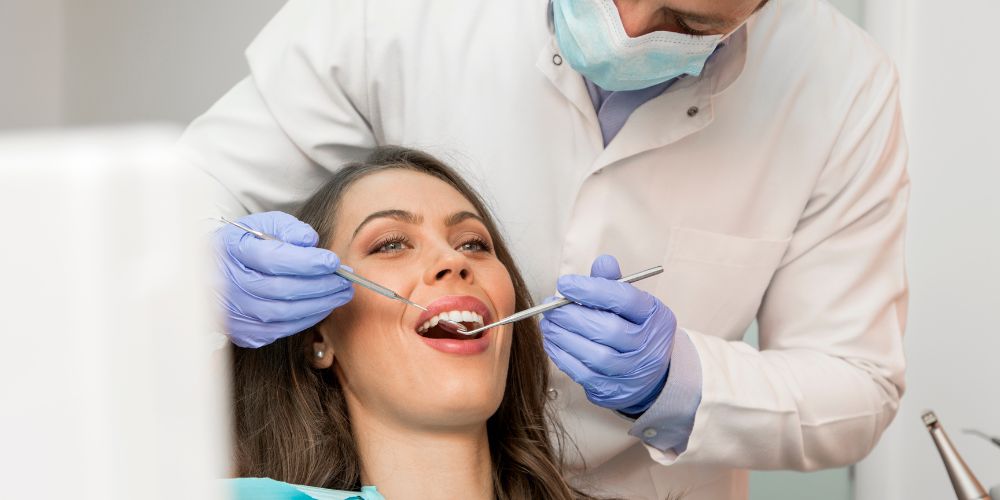
How to Prepare for Dental Treatment Under ECHS: A Guide for Ex-Servicemen
A sudden toothache, bleeding gums, or difficulty chewing can affect everyday life. For retired armed forces personnel and their families, getting the right dental attention is important, but understanding the healthcare process can sometimes feel confusing.
Many ECHS beneficiaries have practical questions before seeking dental treatment. Do you need to visit your polyclinic first? Should you carry your ECHS Smart Card? Is a referral necessary? What happens if the dentist recommends a procedure that requires additional approval?
Knowing the answers to these questions can make your dental visit more organised and help you understand the steps involved.
The Ex-Servicemen Contributory Health Scheme (ECHS) provides healthcare facilities to eligible ex-servicemen pensioners and their authorised dependents through its healthcare network.
This guide explains how beneficiaries can prepare for dental treatment, understand the importance of referral and authorisation, and organise their medical information before an appointment.
What Is the Ex-Servicemen Contributory Health Scheme (ECHS)?
The Ex-Servicemen Contributory Health Scheme, commonly known as ECHS, is a healthcare programme established by the Government of India under the Ministry of Defence. It is intended to provide healthcare services to eligible ex-servicemen pensioners and their authorised dependents.
The scheme operates through a network that includes ECHS polyclinics, military hospitals, and empanelled civil healthcare facilities. Depending on the applicable guidelines and service availability, beneficiaries may access different medical and dental services through this network.
Treatment eligibility, referral requirements, and approval procedures can vary depending on the nature of the medical or dental service.
Understanding these requirements before arranging treatment can help beneficiaries avoid unnecessary delays.
Why Should ECHS Beneficiaries Pay Attention to Dental Health?
Dental health is an important part of overall well-being. Problems affecting the mouth can make eating, speaking, and maintaining daily comfort difficult. Some dental conditions may develop gradually, making early attention particularly important.
Preventing Tooth Decay
Tooth decay can begin as a small area of damage and gradually progress into deeper layers of the tooth. Early identification may allow simpler treatment before the decay causes significant pain or infection.
Maintaining Healthy Gums
Gum disease can lead to bleeding, swelling, gum recession, and damage to the supporting bone. If left untreated, advanced gum disease can cause permanent teeth to become loose.
Managing Missing Teeth
Missing teeth can affect chewing efficiency and speech. A dentist can evaluate whether a patient may benefit from a bridge, denture, or implant, depending on the condition of the remaining teeth and jawbone.
The availability of these procedures under ECHS must be verified separately.
Addressing Dental Infections
A dental infection can cause pain, swelling, difficulty chewing, and other complications. Prompt professional assessment is important, particularly if swelling or fever develops.
What Should You Know Before Planning Dental Treatment Under ECHS?
Before scheduling a dental appointment, beneficiaries should understand a few important aspects of the scheme.
Your Beneficiary Details Must Be Valid
Keep your ECHS Smart Card and beneficiary information ready. If an authorised dependent is receiving treatment, ensure that their details are correctly recorded.
Referral Requirements May Differ
The referral process depends on the type of treatment and the applicable ECHS instructions. Some services may be available through the polyclinic, while others may require referral to an authorised facility. Always confirm the correct procedure before visiting.
Not Every Dental Procedure Has the Same Coverage
Different treatments may have different eligibility conditions, approved rates, and authorisation requirements. For example, a routine dental examination and a complex restorative procedure should not be assumed to have identical coverage.
Hospital Empanelment Must Be Verified
An empanelled healthcare facility may be authorised for specific services. Beneficiaries should confirm that the facility has current empanelment for the relevant dental service rather than relying on an old listing.
How to Prepare for Your ECHS Dental Appointment
Preparation can make your visit easier and help ensure that the necessary information is available.
Step 1: Understand Your Dental Concern
Before visiting, identify the main problem you are experiencing. It could be tooth pain, bleeding gums, sensitivity, a broken tooth, swelling, or difficulty chewing. Try to remember when the problem started and whether it has become worse.
Step 2: Contact Your ECHS Polyclinic
For planned treatment, check the applicable referral process with your parent ECHS polyclinic. The polyclinic can guide you regarding the appropriate consultation, referral, or authorisation requirements. Do not assume that every dental procedure follows the same process.
If you are experiencing severe pain, swelling, fever, or other urgent symptoms, seek prompt dental or medical attention rather than delaying care while trying to resolve routine paperwork.
Step 3: Keep Your Documents Ready
Organise the documents that may be required for your appointment. These may include:
- Valid ECHS Smart Card
- Referral documents, where applicable
- Identity documents, if requested
- Previous dental prescriptions
- Dental X-rays and reports
- Relevant medical records
- Current medication details
Having these documents ready can help reduce avoidable administrative delays.
Step 4: Confirm the Appointment Details
Once the required referral and provider details are confirmed, contact the healthcare facility. Ask about the appointment process, documents needed, and the services available under the applicable scheme provisions.
Step 5: Discuss Your Medical History
During your dental consultation, share information about existing medical conditions, allergies, and medications. This is especially important for patients with diabetes, heart conditions, or those taking blood-thinning medicines. Your dentist needs this information to plan treatment appropriately.
Step 6: Understand the Recommended Treatment
After examination, your dentist may recommend a treatment based on the condition of your teeth and gums. Ask the dentist to explain:
- What dental problem has been identified?
- What treatment is being recommended?
- Are there alternative treatment options?
- Does the procedure require ECHS authorisation?
- What is the next step under the applicable scheme rules?
Understanding these details helps you make informed decisions.
Step 7: Confirm Approval Before Planned Treatment
If the recommended procedure requires prior approval, make sure the necessary process is completed before proceeding. Confirm the approved procedure, applicable package, and any relevant conditions.
This is particularly important for procedures that may involve additional investigations or multiple appointments.
What Dental Records Should You Keep?
Maintaining a record of your dental treatment can be helpful, especially when multiple appointments are required. Consider keeping:
Previous Prescriptions
Prescriptions help the dentist understand earlier treatment and medicines used.
Dental X-Rays
Previous X-rays may provide useful information about the condition of your teeth and supporting structures. Your dentist can decide whether new imaging is necessary.
Treatment Reports
Keep records of completed procedures, previous extractions, root canal treatment, and other relevant dental work.
Medical History
Maintain an updated list of medicines, allergies, and existing health conditions. Organised records make it easier to discuss your dental history and plan further care.
Common Mistakes ECHS Beneficiaries Should Avoid
Understanding the process can help prevent several common problems.
- Assuming a referral is never required: Referral requirements depend on the service and applicable ECHS procedures.
- Visiting without checking the provider's authorisation: Always verify current empanelment for the relevant dental service.
- Assuming every procedure is covered: Treatment eligibility and approval must be confirmed individually.
- Forgetting medical information: Existing health conditions and medicines can influence dental treatment planning.
- Delaying treatment because of paperwork: Urgent symptoms such as significant swelling, fever, or severe pain need prompt professional attention.
- Relying on outdated information: ECHS procedures and empanelment details may change, so consult current official instructions.
Why Choose Manglam Dental Hospital for Dental Care in Jaipur?
For ECHS beneficiaries, understanding both the dental treatment process and the applicable scheme requirements is important.
Manglam Dental Hospital in Jaipur provides dental care for eligible ECHS beneficiaries, subject to current empanelment conditions, authorised services, and required approvals.
Patients can discuss their oral health concerns, undergo appropriate dental evaluation, and understand the available treatment options. The hospital can also guide patients regarding appointment preparation and the documentation that may be required for their visit.
Whether the concern involves tooth decay, gum problems, or missing teeth, the aim is to help patients understand their dental needs and the next steps involved in their care.
For more information you can visit: ECHS Dental Hospital in Jaipur | Manglam Dental Hospital
Frequently Asked Questions
For planned treatment, beneficiaries should generally check the applicable process with their parent ECHS polyclinic. Referral requirements depend on the treatment and current scheme instructions.
Beneficiaries should keep their valid ECHS Smart Card and any required referral documents ready. Previous dental records, prescriptions, and medical information may also be useful.
Treatment must follow ECHS procedures and the facility's current empanelment and authorised services. Beneficiaries should confirm the relevant details before scheduling treatment.
No. Coverage depends on the applicable ECHS provisions, approved packages, treatment eligibility, and required authorisation.
Implant treatment should not be assumed to be automatically covered. Beneficiaries should confirm the current scheme provisions and any required approval before planning the procedure.
Yes, eligible and registered dependents may access healthcare benefits according to ECHS rules and applicable conditions.
Plan Your Dental Care with the Right Information
Maintaining healthy teeth and gums is important at every stage of life. For ex-servicemen and their families, understanding the ECHS process, keeping medical records organised, and checking referral and approval requirements can make dental care easier to plan.
Do not ignore persistent tooth pain, bleeding gums, swelling, or difficulty chewing. Seeking timely professional advice can help identify problems before they become more complicated.
If you or an eligible family member needs dental guidance in Jaipur, Manglam Dental Hospital can help you understand the appointment process and the dental care options available under applicable ECHS provisions. Contact us or book an appointment today.